
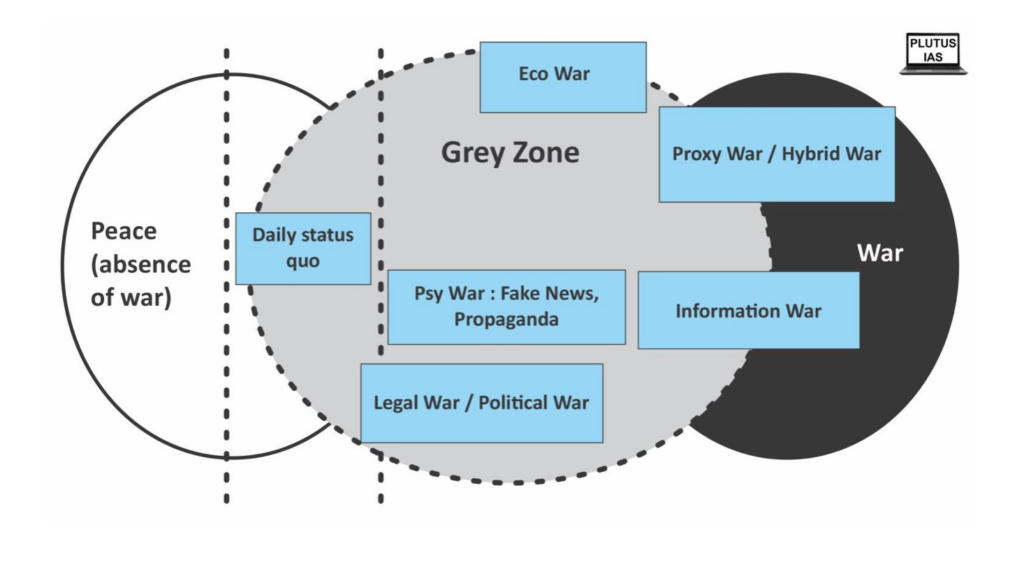
In the 21st century, conflict is no longer confined to battlefields or declared wars. Instead, it increasingly unfolds in the shadows—through cyberattacks, disinformation campaigns, economic pressure, and covert influence. This evolving landscape is often described as the “gray zone,” a space between peace and war where state and non-state actors pursue strategic objectives while avoiding direct military confrontation.
Within this gray zone, hybrid warfare has emerged as a dominant strategy. By blending military capabilities with non-military tools such as information manipulation, political interference, and technological disruption, actors are able to exploit vulnerabilities in open societies. These methods are designed not only to weaken adversaries, but to do so in ways that remain ambiguous, deniable, and difficult to respond to under traditional frameworks of international law and defense.
As the nature of conflict shifts, so too must the concept of defense. Civil defense is no longer limited to emergency response during wartime; it has become a continuous, proactive effort to strengthen societal resilience. Protecting critical infrastructure, safeguarding democratic institutions, and equipping citizens to navigate information threats are now essential components of national security.