
German Chancellor Friedrich Merz warned in 2025 that Europe can no longer rely on the United States in the way it once did, declaring that “the decades of Pax Americana are largely over.”
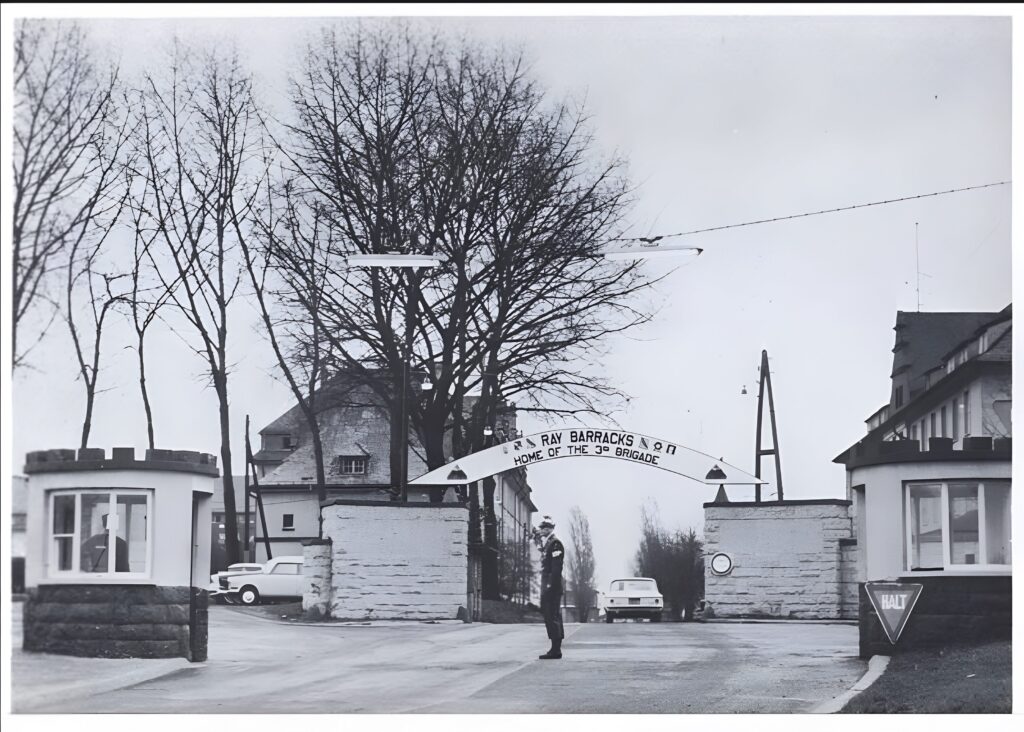
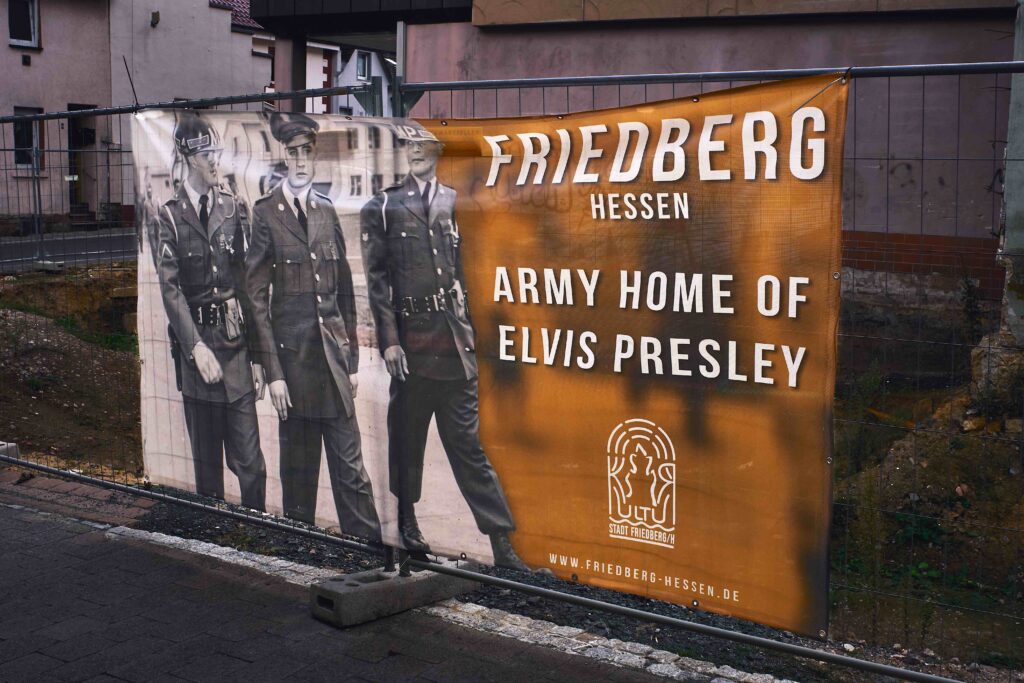
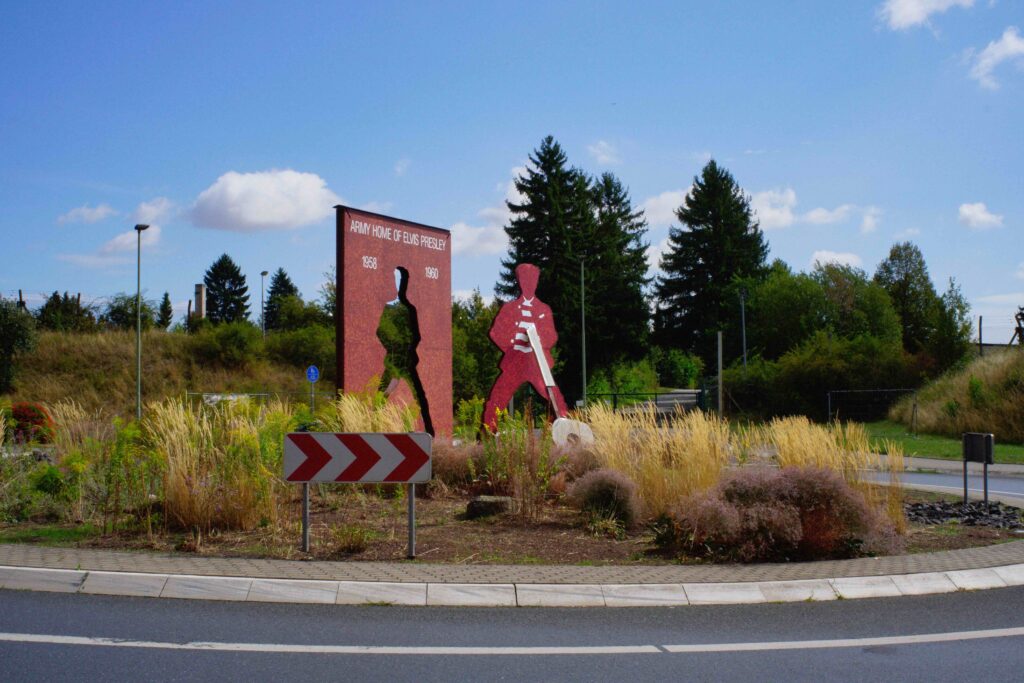
The signs were already there. For example, the U.S. Army withdrew in 2007 from Ray Barracks in Friedberg, once the duty station of Elvis Presley, who served with the 3rd Armored Division. Part of the barracks is now used to house refugees who arrived in 2019. This massive change for Friedberg echoes the advice Presley offered in 1969. Singing during a time of immense social and political upheaval, he declared: “There’s a newer world ahead. What you need is a change of habit.” (From the song “Change of Habit”)
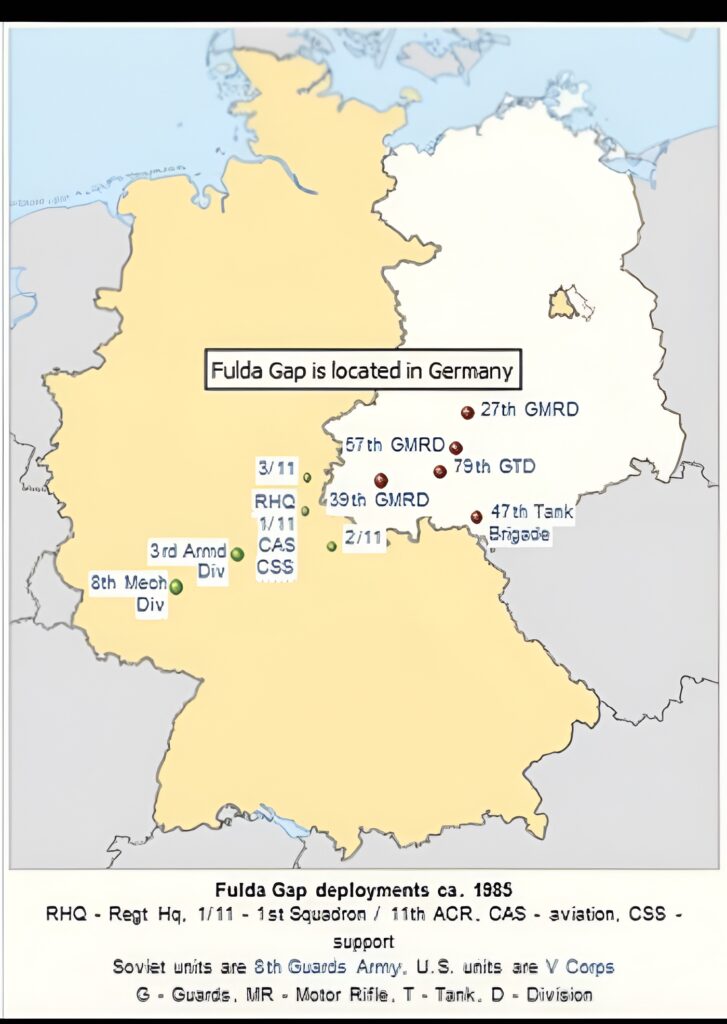
Friedberg’s history has been shaped, by its geography. The town lies close to the Fulda Gap, an important natural route through central Germany. Mountains form natural barriers, leaving relatively narrow routes through the landscape. The Romans understood the strategic importance of this terrain. Around 83 AD, they built the Wetterau Limes, using the landscape to protect their territory.
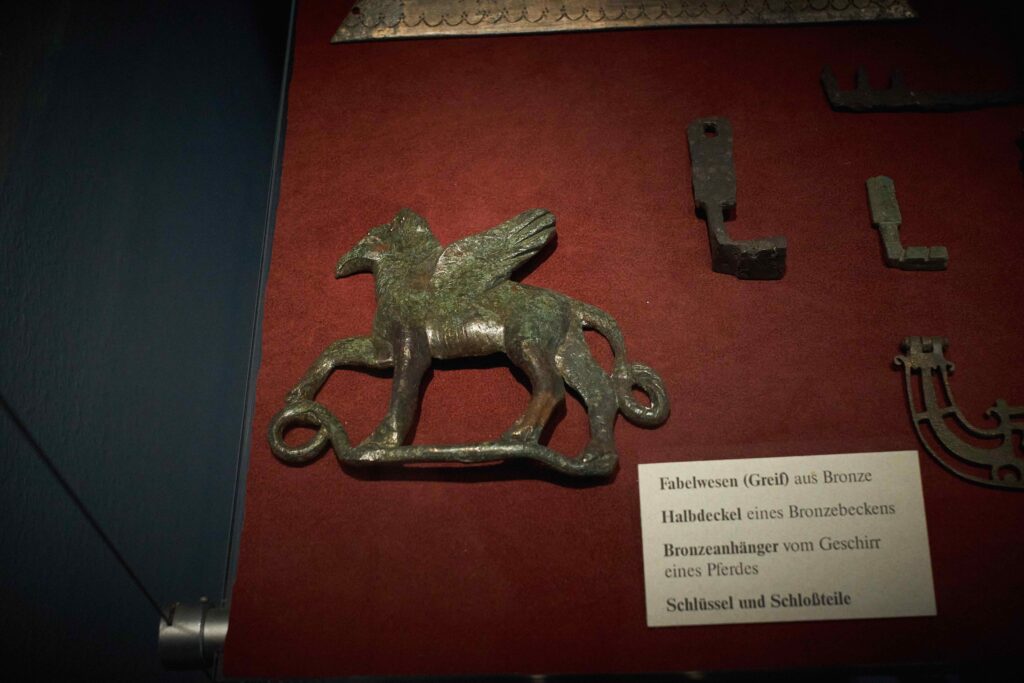
By around 260 AD, Rome could no longer hold this frontier. Pressure from Germanic peoples, combined with wider political and military problems within the Roman Empire, led the Romans to withdraw from the Limes and to withdraw behind the Rhine.
Almost two thousand years later, during the Cold War, the US Army’s major concern was to prevent a Soviet/Warsaw Pact breakthrough through the Fulda Gap from reaching West Germany. The US Army describes the Fulda route as the most direct route from the Soviet zone towards Frankfurt, with US V Corps positioned to defend it.
The ongoing departure of American troops, and the prospect of a less supportive United States, is unsettling. In September 2026, the European Court of Auditors warned that Europe’s ability to defend is doubtful, citing fragmented infrastructure and continued reliance on the US.
However, old habits are returning. Ray Barracks will be used by the Bundeswehr from autumn 2026. Germany is rebuilding its armed forces, aiming for at least 260,000 active-duty soldiers and 200,000 reservists by 2035. These must be housed somewhere.
During the Cold War, the imagined danger came from the east. Friedberg and Ray Barracks were part of the large American presence preparing for that possibility. They were part of a Limes Americae of sorts.
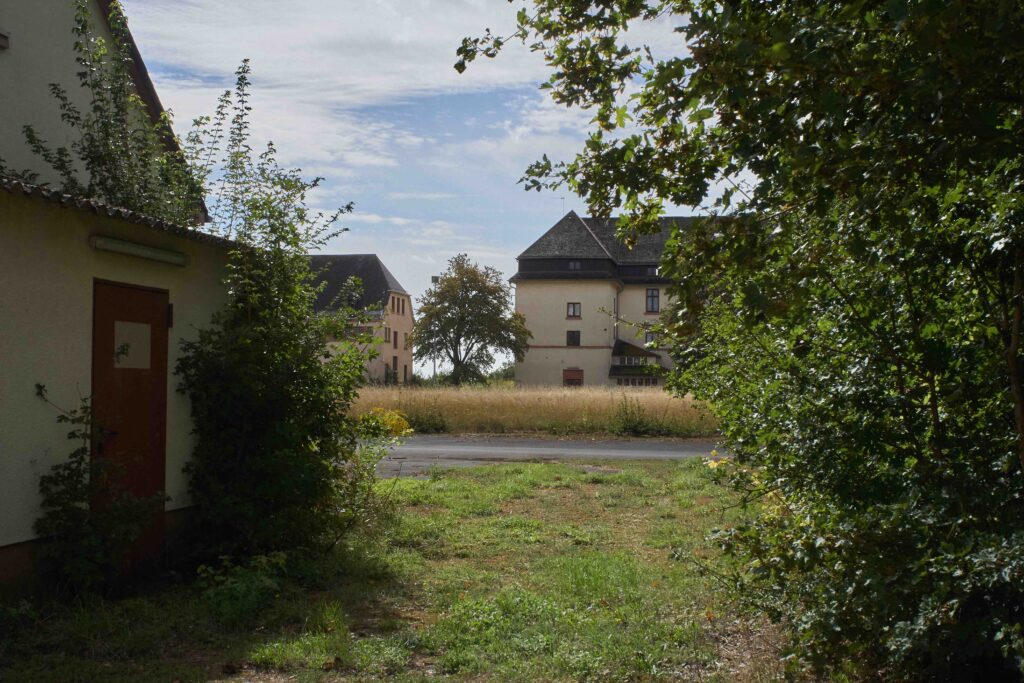
Today, Germany is preparing to serve as the centre through which German and allied forces can move east towards NATO’s eastern flank if neccesary.
The Fulda Gap, once imagined as a route through which an enemy might come, could once again become a route for armies to pass through. The geography has not changed, only the direction of movement.
(Erik J. de Jager, September 2026)